
Why Are Jacketed Glass Reactors Used in Different Industries?
2026-11-11
Why Are Jacketed Glass Reactors Used in Different Industries?
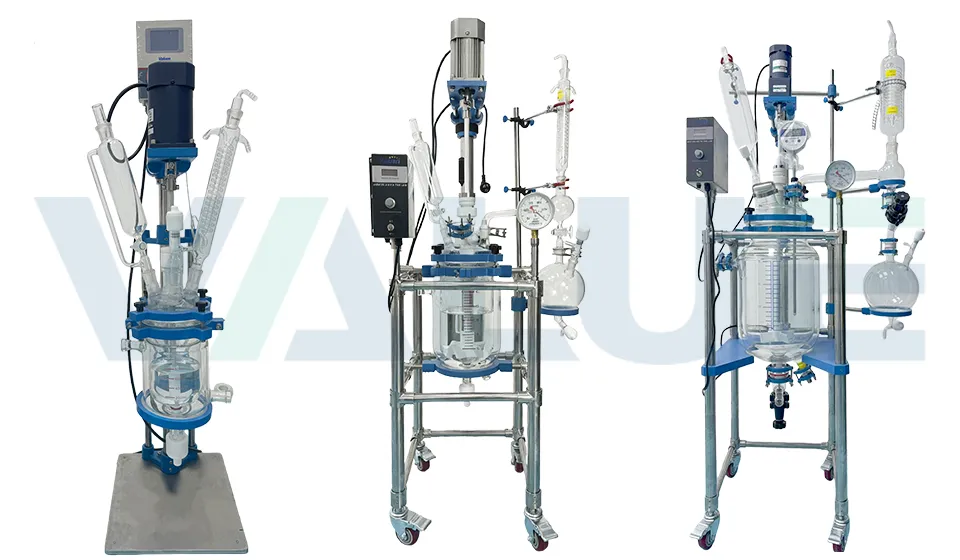
Jacketed glass reactors are widely used in pharmaceutical, chemical, and specialty material processing. Their popularity comes from several practical advantages, including chemical resistance, transparent vessel walls, and controlled heating and cooling. These features make them suitable for processes that require close observation, reliable temperature management, and reduced contamination risks.
1. Chemical Resistance and Material Compatibility
Resistance to Corrosive Chemicals
One of the main advantages of jacketed glass reactors is the chemical stability of borosilicate glass. It can withstand many commonly used acids, solvents, and chemical solutions, making it suitable for a wide range of laboratory and industrial applications.
Compared with some metal materials, glass offers better compatibility with certain corrosive substances and helps prevent unwanted reactions between the vessel surface and the process material.
However, glass is not suitable for every chemical. Hydrofluoric acid, for example, attacks glass, so material compatibility should always be checked before operation.
Compatibility With Different Process Materials
Borosilicate glass is commonly used when processing various chemical solutions and organic solvents. Its relatively non-reactive surface helps reduce the possibility of material contamination.
This is particularly important in pharmaceutical synthesis, fine chemical production, and other applications where product purity is a major consideration.
The compatibility of other wetted components, such as seals, valves, and stirring parts, should also be evaluated according to the actual process conditions.
2. Transparent Design for Better Process Monitoring
Observe Reactions During Operation
Unlike opaque stainless steel vessels, jacketed glass reactors allow operators to observe the reaction directly through the vessel wall.
Changes in color, liquid levels, phase separation, crystal formation, and material behavior can be monitored during processing. This visual access helps operators understand the reaction progress and identify unusual conditions at an earlier stage.
Improved Control During Crystallization and Polymerization
Visual observation is especially useful in crystallization and polymerization processes.
During crystallization, operators can monitor crystal formation and suspension conditions. In polymerization, changes in viscosity, foaming, and material movement can provide useful indications of how the reaction is progressing.
Combined with temperature sensors and other monitoring instruments, the transparent design helps operators make more informed adjustments throughout the process.
3. Temperature Control Through Jacketed Design
Maintaining Suitable Reaction Temperatures
The jacket surrounding the reactor vessel provides an indirect heating and cooling channel. A heating or cooling medium circulates through this space, transferring heat through the glass wall without directly contacting the process material.
This arrangement allows operators to regulate reaction temperatures according to different process requirements. It is particularly useful for temperature-sensitive reactions and processes involving heat generation.
Single-Jacketed and Double-Jacketed Configurations
Different jacket designs can be selected according to the required temperature-control performance.
A single-jacketed reactor is suitable for many conventional heating and cooling applications. A double-jacketed configuration can provide additional flexibility in heat transfer, depending on its design and the circulation arrangement.
The appropriate choice depends on the required temperature range, heating and cooling rates, and process characteristics.
Understanding the Thermal Limitations of Glass
Although borosilicate glass has good thermal stability, it still requires careful operation. Sudden temperature changes can create thermal stress and increase the risk of cracking.
Heating and cooling rates should therefore be controlled according to the vessel specifications. Selecting suitable temperature-control equipment and avoiding rapid temperature fluctuations are important for safe operation.
4. Applications of Jacketed Glass Reactors Across Industries
Pharmaceutical Manufacturing
In pharmaceutical research and production, jacketed glass reactors are used for chemical synthesis, dissolution, crystallization, and formulation development.
Their chemical resistance and transparent construction make them useful for processes where material compatibility, product purity, and reaction observation are important.
Polymer Synthesis
Polymerization reactions often involve changes in viscosity and heat generation. Jacketed glass reactors provide controlled heating and cooling while allowing operators to observe material changes during the reaction.
This makes them suitable for laboratory research, formulation development, and small-scale polymer production.
Fine Chemical Production
Fine chemical processes often require controlled reaction conditions and careful handling of different chemical substances.
Jacketed glass reactors can be used for synthesis, mixing, crystallization, and other processing operations. Their flexible configurations also allow integration with accessories such as condensers, vacuum pumps, feeding systems, and temperature-control units.
Conclusion
Jacketed glass reactors offer several practical advantages for pharmaceutical, polymer, and fine chemical applications. Their chemical resistance supports compatibility with many process materials, transparent walls allow direct reaction observation, and jacketed construction provides controlled heating and cooling.
By combining these features with an appropriate vessel configuration and supporting equipment, jacketed glass reactors can meet the needs of various laboratory and small-scale production processes.
Why Are Jacketed Glass Reactors Used in Different Industries?
Jacketed glass reactors are widely used in pharmaceutical, chemical, and specialty material processing. Their popularity comes from several practical advantages, including chemical resistance, transparent vessel walls, and controlled heating and cooling. These features make them suitable for processes that require close observation, reliable temperature management, and reduced contamination risks.
1. Chemical Resistance and Material Compatibility
Resistance to Corrosive Chemicals
One of the main advantages of jacketed glass reactors is the chemical stability of borosilicate glass. It can withstand many commonly used acids, solvents, and chemical solutions, making it suitable for a wide range of laboratory and industrial applications.
Compared with some metal materials, glass offers better compatibility with certain corrosive substances and helps prevent unwanted reactions between the vessel surface and the process material.
However, glass is not suitable for every chemical. Hydrofluoric acid, for example, attacks glass, so material compatibility should always be checked before operation.
Compatibility With Different Process Materials
Borosilicate glass is commonly used when processing various chemical solutions and organic solvents. Its relatively non-reactive surface helps reduce the possibility of material contamination.
This is particularly important in pharmaceutical synthesis, fine chemical production, and other applications where product purity is a major consideration.
The compatibility of other wetted components, such as seals, valves, and stirring parts, should also be evaluated according to the actual process conditions.
2. Transparent Design for Better Process Monitoring
Observe Reactions During Operation
Unlike opaque stainless steel vessels, jacketed glass reactors allow operators to observe the reaction directly through the vessel wall.
Changes in color, liquid levels, phase separation, crystal formation, and material behavior can be monitored during processing. This visual access helps operators understand the reaction progress and identify unusual conditions at an earlier stage.
Improved Control During Crystallization and Polymerization
Visual observation is especially useful in crystallization and polymerization processes.
During crystallization, operators can monitor crystal formation and suspension conditions. In polymerization, changes in viscosity, foaming, and material movement can provide useful indications of how the reaction is progressing.
Combined with temperature sensors and other monitoring instruments, the transparent design helps operators make more informed adjustments throughout the process.
3. Temperature Control Through Jacketed Design
Maintaining Suitable Reaction Temperatures
The jacket surrounding the reactor vessel provides an indirect heating and cooling channel. A heating or cooling medium circulates through this space, transferring heat through the glass wall without directly contacting the process material.
This arrangement allows operators to regulate reaction temperatures according to different process requirements. It is particularly useful for temperature-sensitive reactions and processes involving heat generation.
Single-Jacketed and Double-Jacketed Configurations
Different jacket designs can be selected according to the required temperature-control performance.
A single-jacketed reactor is suitable for many conventional heating and cooling applications. A double-jacketed configuration can provide additional flexibility in heat transfer, depending on its design and the circulation arrangement.
The appropriate choice depends on the required temperature range, heating and cooling rates, and process characteristics.
Understanding the Thermal Limitations of Glass
Although borosilicate glass has good thermal stability, it still requires careful operation. Sudden temperature changes can create thermal stress and increase the risk of cracking.
Heating and cooling rates should therefore be controlled according to the vessel specifications. Selecting suitable temperature-control equipment and avoiding rapid temperature fluctuations are important for safe operation.
4. Applications of Jacketed Glass Reactors Across Industries
Pharmaceutical Manufacturing
In pharmaceutical research and production, jacketed glass reactors are used for chemical synthesis, dissolution, crystallization, and formulation development.
Their chemical resistance and transparent construction make them useful for processes where material compatibility, product purity, and reaction observation are important.
Polymer Synthesis
Polymerization reactions often involve changes in viscosity and heat generation. Jacketed glass reactors provide controlled heating and cooling while allowing operators to observe material changes during the reaction.
This makes them suitable for laboratory research, formulation development, and small-scale polymer production.
Fine Chemical Production
Fine chemical processes often require controlled reaction conditions and careful handling of different chemical substances.
Jacketed glass reactors can be used for synthesis, mixing, crystallization, and other processing operations. Their flexible configurations also allow integration with accessories such as condensers, vacuum pumps, feeding systems, and temperature-control units.
Conclusion
Jacketed glass reactors offer several practical advantages for pharmaceutical, polymer, and fine chemical applications. Their chemical resistance supports compatibility with many process materials, transparent walls allow direct reaction observation, and jacketed construction provides controlled heating and cooling.
By combining these features with an appropriate vessel configuration and supporting equipment, jacketed glass reactors can meet the needs of various laboratory and small-scale production processes.


