
What Is a Stainless Steel Reactor, and How Is It Manufactured?
2026-06-05
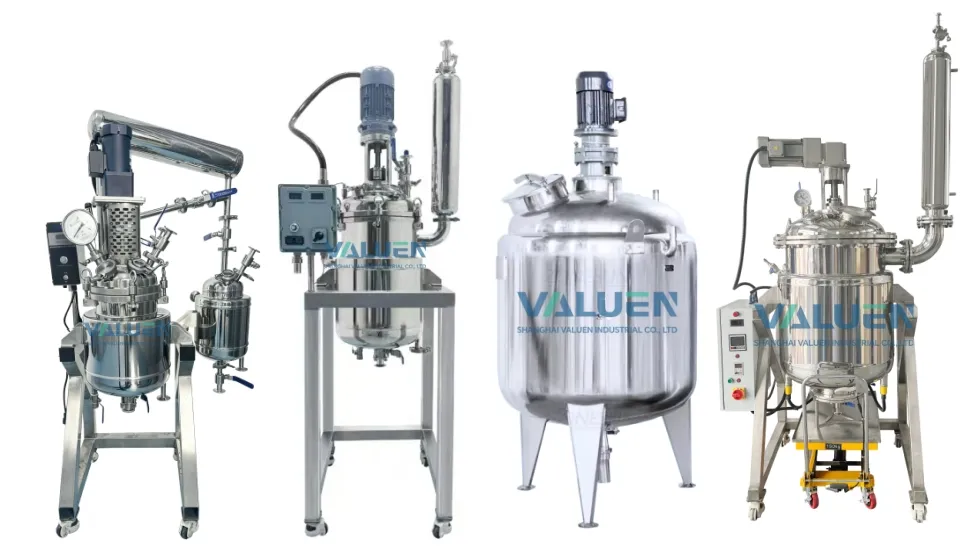
A stainless steel reactor is a specialized, sealed vessel designed to contain and control chemical or biological processes under precisely regulated conditions of temperature, pressure, and agitation. Constructed from high-quality stainless steel alloys, these reactors provide a corrosion-resistant and sterile environment for reactions ranging from simple mixing to complex high-pressure synthesis, such as hydrogenation. Their robust construction ensures that they can withstand the physical stresses of demanding industrial operations while preventing contamination of sensitive products. This combination of strength and purity makes them an essential tool across a wide spectrum of industries.
The core design of a reactor is an integrated system where each component plays a vital role. The main vessel, typically cylindrical with a dished bottom, is surrounded by a thermal jacket that circulates heating or cooling fluids to manage reaction temperatures. An agitator, driven by a motor, ensures uniformity of temperature and concentration throughout the batch, while a shaft seal prevents leaks and maintains a clean environment. The vessel lid is also equipped with multiple nozzles for adding materials, inserting sensors, and connecting other equipment like condensers, making the reactor a highly adaptable and controllable processing unit.
These reactors come in several configurations to meet different processing needs. The most common is the batch reactor, valued for its flexibility in handling multiple recipes and product changeovers, which is ideal for fine chemical or pharmaceutical manufacturing. For large-volume, consistent production, continuous stirred-tank reactors (CSTRs) provide uniform product quality and high throughput. Jacketed reactors are ubiquitous for their superior temperature control, while pressure reactors feature reinforced walls and advanced sealing for high-pressure synthesis. This diversity in design allows engineers to select a unit precisely tailored to a specific application.
The choice of material is a critical engineering decision, and the industry standard is often Type 316L stainless steel. Both Type 304 and 316L offer excellent corrosion resistance, but the addition of 2-3% molybdenum in 316L significantly enhances its resistance to pitting and crevice corrosion caused by chlorides found in many chemical processes. The "L" designation signifies a low carbon content (below 0.03%), which is crucial for preventing "sensitization"—a form of corrosion that can occur at weld seams during fabrication. This makes 316L the preferred material, particularly in high-purity industries like pharmaceuticals, where equipment integrity is paramount.
The manufacturing process of a stainless steel reactor begins with a detailed design phase tailored to the client’s specific needs, followed by the selection of the appropriate high-quality steel grade. The fabrication then involves a series of skilled operations such as cutting, bending, and welding the steel plates to shape the main body and accessories. Welding is a highly controlled procedure, requiring strict heat management to preserve the material’s corrosion-resistant properties. After the basic assembly is complete, rigorous quality control is essential. Each reactor undergoes a battery of tests, including pressure and leak tests, to verify its safety and functionality before it is ready for service.
For any team selecting a reactor, the decision should be guided by a few key factors. First, consider the material properties, such as the presence of chlorides which dictate the need for 316L over 304. Second, define the operational parameters—the required capacity, temperature range, and pressure conditions will determine the necessary size and design configuration. Additionally, industries such as food, biotech, and pharmaceuticals demand compliance with hygienic standards like Clean-in-Place (CIP) and Sterilize-in-Place (SIP) procedures, which are easily met by the smooth, non-porous surface of a properly manufactured stainless steel vessel.
Ultimately, the stainless steel reactor is a remarkable piece of engineering that balances material science with mechanical design to provide a safe, durable, and clean environment for the world’s most critical chemical reactions. Its manufacturing process is a testament to precision and quality control, ensuring that these industrial workhorses operate reliably under the most demanding conditions. Whether for creating life-saving pharmaceuticals or processing everyday food items, the stainless steel reactor remains an indispensable cornerstone of modern chemical processing.
A stainless steel reactor is a specialized, sealed vessel designed to contain and control chemical or biological processes under precisely regulated conditions of temperature, pressure, and agitation. Constructed from high-quality stainless steel alloys, these reactors provide a corrosion-resistant and sterile environment for reactions ranging from simple mixing to complex high-pressure synthesis, such as hydrogenation. Their robust construction ensures that they can withstand the physical stresses of demanding industrial operations while preventing contamination of sensitive products. This combination of strength and purity makes them an essential tool across a wide spectrum of industries.
The core design of a reactor is an integrated system where each component plays a vital role. The main vessel, typically cylindrical with a dished bottom, is surrounded by a thermal jacket that circulates heating or cooling fluids to manage reaction temperatures. An agitator, driven by a motor, ensures uniformity of temperature and concentration throughout the batch, while a shaft seal prevents leaks and maintains a clean environment. The vessel lid is also equipped with multiple nozzles for adding materials, inserting sensors, and connecting other equipment like condensers, making the reactor a highly adaptable and controllable processing unit.
These reactors come in several configurations to meet different processing needs. The most common is the batch reactor, valued for its flexibility in handling multiple recipes and product changeovers, which is ideal for fine chemical or pharmaceutical manufacturing. For large-volume, consistent production, continuous stirred-tank reactors (CSTRs) provide uniform product quality and high throughput. Jacketed reactors are ubiquitous for their superior temperature control, while pressure reactors feature reinforced walls and advanced sealing for high-pressure synthesis. This diversity in design allows engineers to select a unit precisely tailored to a specific application.
The choice of material is a critical engineering decision, and the industry standard is often Type 316L stainless steel. Both Type 304 and 316L offer excellent corrosion resistance, but the addition of 2-3% molybdenum in 316L significantly enhances its resistance to pitting and crevice corrosion caused by chlorides found in many chemical processes. The "L" designation signifies a low carbon content (below 0.03%), which is crucial for preventing "sensitization"—a form of corrosion that can occur at weld seams during fabrication. This makes 316L the preferred material, particularly in high-purity industries like pharmaceuticals, where equipment integrity is paramount.
The manufacturing process of a stainless steel reactor begins with a detailed design phase tailored to the client’s specific needs, followed by the selection of the appropriate high-quality steel grade. The fabrication then involves a series of skilled operations such as cutting, bending, and welding the steel plates to shape the main body and accessories. Welding is a highly controlled procedure, requiring strict heat management to preserve the material’s corrosion-resistant properties. After the basic assembly is complete, rigorous quality control is essential. Each reactor undergoes a battery of tests, including pressure and leak tests, to verify its safety and functionality before it is ready for service.
For any team selecting a reactor, the decision should be guided by a few key factors. First, consider the material properties, such as the presence of chlorides which dictate the need for 316L over 304. Second, define the operational parameters—the required capacity, temperature range, and pressure conditions will determine the necessary size and design configuration. Additionally, industries such as food, biotech, and pharmaceuticals demand compliance with hygienic standards like Clean-in-Place (CIP) and Sterilize-in-Place (SIP) procedures, which are easily met by the smooth, non-porous surface of a properly manufactured stainless steel vessel.
Ultimately, the stainless steel reactor is a remarkable piece of engineering that balances material science with mechanical design to provide a safe, durable, and clean environment for the world’s most critical chemical reactions. Its manufacturing process is a testament to precision and quality control, ensuring that these industrial workhorses operate reliably under the most demanding conditions. Whether for creating life-saving pharmaceuticals or processing everyday food items, the stainless steel reactor remains an indispensable cornerstone of modern chemical processing.


