
How Stainless Steel Reactors Enable Customization and Scale-Up
2026-04-14
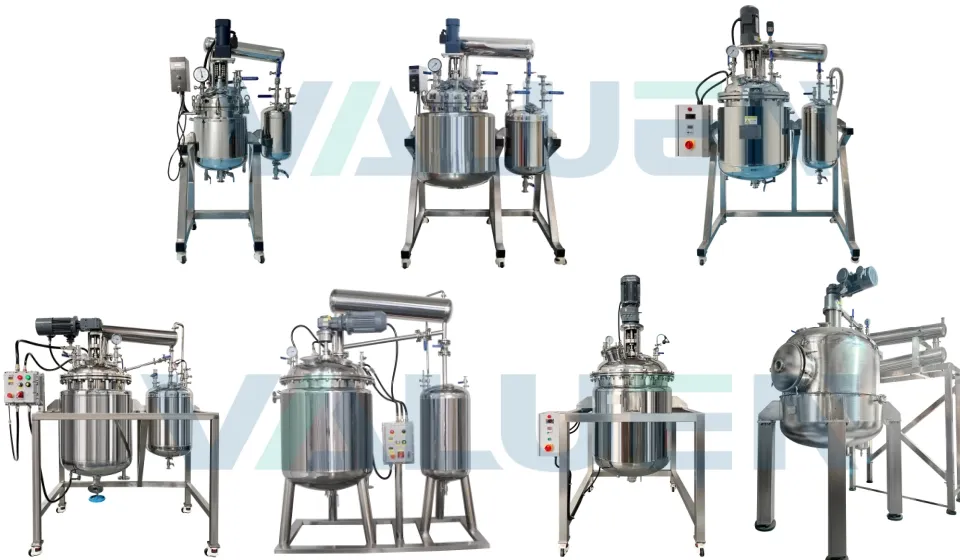
The chemical processing industry is constantly working to improve production while upholding safety and quality standards. Stainless steel reactors serve as the backbone of countless manufacturing operations, offering the strength and adaptability needed for complex chemical processes. These rugged vessels allow manufacturers to move smoothly from laboratory development to full commercial production, providing exceptional flexibility in process customization and scaling.
Today's chemical manufacturing requires equipment that can adjust to changing process needs while delivering reliable results. Stainless steel reactors have become the go-to choice for industries ranging from pharmaceuticals to specialty chemicals, thanks to their outstanding corrosion resistance and thermal stability. Understanding how these reactors support customization and scale-up efforts is essential for process engineers and facility managers aiming to improve their operations.
Understanding Stainless Steel Reactor Basics
Core Design Principles
The effectiveness of any stainless steel reactor starts with its core design principles. These vessels are built to handle extreme temperatures, pressures, and chemical environments while maintaining structural strength over long operating periods. The material selection process typically involves choosing the right stainless steel grade based on specific process needs, with 316L being the most popular choice for its excellent corrosion resistance and compatibility with a wide range of chemical compounds.
Heat transfer capabilities are another key design factor for stainless steel reactor systems. Jacketed designs allow for accurate temperature control by circulating heating or cooling media, enabling operators to maintain ideal reaction conditions throughout the process. This thermal management becomes increasingly important as processes scale up, where temperature consistency can significantly affect product quality and output.
Material Properties and Performance
The natural properties of stainless steel make these reactors especially well-suited for customization and scaling applications. The material's non-reactive nature ensures product purity, while its mechanical strength allows operation under high-pressure conditions. These characteristics become particularly valuable when processes need modification or intensification during scale-up phases.
Surface finish quality plays a vital role in reactor performance, especially in pharmaceutical and food-grade applications. Electropolished surfaces reduce bacterial attachment and allow thorough cleaning, supporting both regulatory compliance and process flexibility. This surface treatment capability lets manufacturers customize reactors for specific hygiene requirements without sacrificing operational efficiency.
Customization Capabilities in Modern Reactor Design
Modular Configuration Options
Today's stainless steel reactor designs embrace modular principles that enable extensive customization without compromising structural integrity. Port configurations can be tailored to accommodate specific instrumentation needs, sampling systems, and auxiliary equipment connections. This flexibility allows process engineers to optimize reactor layouts for their unique operational requirements while maintaining scalability for future modifications.
Agitation systems represent another area where customization significantly affects reactor performance. Different impeller designs, shaft configurations, and drive systems can be selected based on mixing requirements, viscosity considerations, and heat transfer needs. A properly customized stainless steel reactor with optimized agitation ensures uniform reaction conditions regardless of scale.
Control System Integration
Advanced control system integration capabilities allow stainless steel reactor installations to adapt to varying process automation requirements. Modern reactors can accommodate sophisticated monitoring and control instrumentation, including temperature sensors, pressure transducers, and automated sampling systems. This instrumentation flexibility supports both current operational needs and future process improvement initiatives.
Data logging and process analytics capabilities have become increasingly important in reactor customization. Integrated systems can capture detailed process parameters, enabling operators to optimize reaction conditions and document regulatory compliance. These capabilities prove particularly valuable during scale-up activities where process understanding and documentation are critical for successful implementation.
Scale-Up Strategies and Implementation
Geometric Scaling Principles
Successful scale-up of stainless steel reactor processes requires careful attention to geometric scaling principles and their impact on process performance. Heat and mass transfer characteristics change significantly as reactor volumes increase, requiring adjustments to agitation systems, heating configurations, and residence time calculations. Understanding these relationships helps engineers maintain process consistency across different scales.
Surface-to-volume ratios decrease as reactor size increases, affecting heat transfer rates and potentially impacting reaction kinetics. Compensating for these changes may require modifications to jacket designs, internal heat exchange surfaces, or agitation systems. A well-designed stainless steel reactor incorporates scaling flexibility to address these challenges without requiring complete system redesign.
Process Optimization During Scale-Up
The transition from laboratory to production scale involves systematic optimization of multiple process parameters at once. Mixing time, heat transfer coefficients, and mass transfer rates all require careful evaluation and adjustment during scale-up activities. Stainless steel reactor systems provide the mechanical stability and thermal performance needed to support these optimization efforts.
Pilot-scale testing using intermediate-sized reactors often proves essential for successful scale-up implementation. These intermediate steps allow process engineers to identify potential challenges and optimize operating parameters before committing to full-scale production equipment. The durability and reliability of stainless steel reactor construction support repeated testing cycles without performance degradation.
Advanced Features Supporting Scalability
Enhanced Heat Transfer Systems
Modern stainless steel reactor designs incorporate advanced heat transfer systems that maintain effectiveness across multiple scales. Half-coil jackets, internal cooling coils, and draft tube configurations can be customized to optimize heat transfer performance for specific applications. These systems ensure that thermal management capabilities scale appropriately with reactor volume increases.
Temperature uniformity becomes increasingly challenging as reactor size grows, making advanced heat transfer systems essential for maintaining product quality. Multiple heating zones, strategic baffle placement, and optimized flow patterns help achieve uniform temperature distribution throughout larger reactor volumes. These features represent critical investments in scalability that pay off throughout the equipment lifecycle.
Sampling and Monitoring Adaptations
Effective sampling and monitoring systems must evolve with reactor scale to maintain process understanding and control. Larger stainless steel reactor installations may require multiple sampling points, representative mixing assessments, and enhanced analytical capabilities. These systems support both process optimization and quality assurance objectives across different operational scales.
Real-time monitoring capabilities become increasingly important as reactor scales increase and batch values grow. Advanced sensor integration, automated data collection, and predictive analytics help operators maintain tight process control regardless of scale. These monitoring enhancements support both operational efficiency and regulatory compliance requirements.
Industry Applications and Case Studies
Pharmaceutical Manufacturing
The pharmaceutical industry demonstrates successful stainless steel reactor customization and scale-up implementation. Drug development processes typically begin at laboratory scale and progress through pilot testing to commercial production, requiring equipment that can maintain process integrity throughout this progression. Specialized surface treatments, cleaning systems, and documentation capabilities support regulatory compliance at each scale.
Good Manufacturing Practice requirements drive specific customization needs in pharmaceutical applications. Enhanced cleaning capabilities, material traceability, and validated sterilization procedures become integral aspects of reactor design. These requirements show how regulatory considerations influence both customization options and scale-up strategies in critical applications.
Specialty Chemical Production
Specialty chemical manufacturers rely on stainless steel reactor flexibility to support diverse product portfolios and changing market demands. Multi-purpose reactor designs enable production of different chemical compounds using the same equipment, maximizing capital utilization while maintaining operational flexibility. This versatility proves especially valuable in dynamic markets where product mix optimization drives profitability.
Custom catalyst systems, specialized agitation configurations, and unique temperature profiles all require adaptable reactor designs. The chemical compatibility and mechanical strength of stainless steel construction support these diverse requirements while enabling rapid changeover between different production campaigns. This operational flexibility represents a significant competitive advantage in specialty chemical markets.
Economic Considerations and Return on Investment
Capital Investment Optimization
Investing in customizable stainless steel reactor systems requires careful economic analysis to ensure optimal return on investment. While initial capital costs may exceed standard equipment configurations, the long-term benefits of operational flexibility and scalability often justify premium pricing. Total cost of ownership calculations should include maintenance savings, operational efficiency gains, and revenue opportunities enabled by enhanced capabilities.
Modular design approaches can help optimize capital deployment by allowing incremental capacity additions as demand grows. Rather than installing oversized equipment initially, companies can implement rightsized stainless steel reactor systems with clear upgrade paths. This approach minimizes initial investment while preserving future expansion options.
Operational Efficiency Benefits
The operational efficiency benefits of properly customized reactor systems extend beyond simple productivity measures. Reduced changeover times, improved yield consistency, and enhanced product quality all contribute to improved profitability. These benefits become more pronounced as production volumes increase and operational complexity grows.
Energy efficiency considerations also significantly impact long-term operational costs. Optimized heat transfer systems, efficient agitation designs, and smart control systems can substantially reduce energy consumption compared to standard configurations. These efficiency improvements provide ongoing cost savings that improve project economics over the equipment lifecycle.
Future Trends and Technology Integration
Digital Integration and Industry 4.0
The integration of digital technologies with stainless steel reactor systems represents a major trend affecting both customization and scale-up capabilities. Internet of Things sensors, cloud-based analytics, and artificial intelligence applications enable unprecedented process insight and control. These technologies support more sophisticated customization options while facilitating knowledge transfer during scale-up activities.
Predictive maintenance capabilities enabled by digital integration help optimize equipment availability and reduce unplanned downtime. Advanced analytics can identify potential issues before they impact production, supporting both operational efficiency and safety objectives. These capabilities become increasingly valuable as reactor systems scale up and operational complexity increases.
Sustainable Manufacturing Considerations
Environmental sustainability considerations are increasingly shaping stainless steel reactor design and customization decisions. Energy efficiency optimization, waste minimization features, and end-of-life recyclability all factor into modern equipment selection processes. These considerations affect both initial customization requirements and long-term scalability planning.
Circular economy principles encourage reactor designs that support multiple product lifecycles and facilitate equipment repurposing. The durability and material value of stainless steel construction align well with these principles, supporting both environmental objectives and economic optimization. These factors enhance the long-term value proposition of investing in high-quality reactor systems.
Frequently Asked Questions
What factors should be considered when customizing a stainless steel reactor for specific applications?
Key customization factors include material compatibility with process chemicals, required temperature and pressure ranges, mixing and heat transfer requirements, instrumentation and control needs, cleaning and sterilization protocols, and regulatory compliance requirements. The intended scale-up path should also influence initial customization decisions to ensure future expandability without major modifications.
How do heat transfer characteristics change during reactor scale-up?
Heat transfer rates typically decrease on a per-unit-volume basis as reactor size increases due to reduced surface-to-volume ratios. This requires compensation through enhanced jacket designs, internal heat exchange surfaces, or modified agitation systems. Temperature uniformity also becomes more challenging in larger vessels, necessitating multiple heating zones or specialized flow patterns to maintain consistent conditions throughout the reactor volume.
What role does agitation system design play in successful scale-up?
Agitation system design critically affects mixing time, heat transfer, and mass transfer characteristics during scale-up. Different impeller types, shaft configurations, and power inputs may be required as reactor size increases to maintain equivalent mixing performance. Proper agitation design ensures uniform reaction conditions and prevents dead zones that could compromise product quality or safety.
How can manufacturers ensure regulatory compliance during reactor scale-up?
Regulatory compliance during scale-up requires maintaining documented equivalency between different scales, implementing appropriate quality systems, and ensuring traceability of critical process parameters. Validation protocols should address material compatibility, cleaning effectiveness, and process control capabilities at each scale. Working with experienced equipment suppliers and regulatory consultants helps navigate complex compliance requirements efficiently.
The chemical processing industry is constantly working to improve production while upholding safety and quality standards. Stainless steel reactors serve as the backbone of countless manufacturing operations, offering the strength and adaptability needed for complex chemical processes. These rugged vessels allow manufacturers to move smoothly from laboratory development to full commercial production, providing exceptional flexibility in process customization and scaling.
Today's chemical manufacturing requires equipment that can adjust to changing process needs while delivering reliable results. Stainless steel reactors have become the go-to choice for industries ranging from pharmaceuticals to specialty chemicals, thanks to their outstanding corrosion resistance and thermal stability. Understanding how these reactors support customization and scale-up efforts is essential for process engineers and facility managers aiming to improve their operations.
Understanding Stainless Steel Reactor Basics
Core Design Principles
The effectiveness of any stainless steel reactor starts with its core design principles. These vessels are built to handle extreme temperatures, pressures, and chemical environments while maintaining structural strength over long operating periods. The material selection process typically involves choosing the right stainless steel grade based on specific process needs, with 316L being the most popular choice for its excellent corrosion resistance and compatibility with a wide range of chemical compounds.
Heat transfer capabilities are another key design factor for stainless steel reactor systems. Jacketed designs allow for accurate temperature control by circulating heating or cooling media, enabling operators to maintain ideal reaction conditions throughout the process. This thermal management becomes increasingly important as processes scale up, where temperature consistency can significantly affect product quality and output.
Material Properties and Performance
The natural properties of stainless steel make these reactors especially well-suited for customization and scaling applications. The material's non-reactive nature ensures product purity, while its mechanical strength allows operation under high-pressure conditions. These characteristics become particularly valuable when processes need modification or intensification during scale-up phases.
Surface finish quality plays a vital role in reactor performance, especially in pharmaceutical and food-grade applications. Electropolished surfaces reduce bacterial attachment and allow thorough cleaning, supporting both regulatory compliance and process flexibility. This surface treatment capability lets manufacturers customize reactors for specific hygiene requirements without sacrificing operational efficiency.
Customization Capabilities in Modern Reactor Design
Modular Configuration Options
Today's stainless steel reactor designs embrace modular principles that enable extensive customization without compromising structural integrity. Port configurations can be tailored to accommodate specific instrumentation needs, sampling systems, and auxiliary equipment connections. This flexibility allows process engineers to optimize reactor layouts for their unique operational requirements while maintaining scalability for future modifications.
Agitation systems represent another area where customization significantly affects reactor performance. Different impeller designs, shaft configurations, and drive systems can be selected based on mixing requirements, viscosity considerations, and heat transfer needs. A properly customized stainless steel reactor with optimized agitation ensures uniform reaction conditions regardless of scale.
Control System Integration
Advanced control system integration capabilities allow stainless steel reactor installations to adapt to varying process automation requirements. Modern reactors can accommodate sophisticated monitoring and control instrumentation, including temperature sensors, pressure transducers, and automated sampling systems. This instrumentation flexibility supports both current operational needs and future process improvement initiatives.
Data logging and process analytics capabilities have become increasingly important in reactor customization. Integrated systems can capture detailed process parameters, enabling operators to optimize reaction conditions and document regulatory compliance. These capabilities prove particularly valuable during scale-up activities where process understanding and documentation are critical for successful implementation.
Scale-Up Strategies and Implementation
Geometric Scaling Principles
Successful scale-up of stainless steel reactor processes requires careful attention to geometric scaling principles and their impact on process performance. Heat and mass transfer characteristics change significantly as reactor volumes increase, requiring adjustments to agitation systems, heating configurations, and residence time calculations. Understanding these relationships helps engineers maintain process consistency across different scales.
Surface-to-volume ratios decrease as reactor size increases, affecting heat transfer rates and potentially impacting reaction kinetics. Compensating for these changes may require modifications to jacket designs, internal heat exchange surfaces, or agitation systems. A well-designed stainless steel reactor incorporates scaling flexibility to address these challenges without requiring complete system redesign.
Process Optimization During Scale-Up
The transition from laboratory to production scale involves systematic optimization of multiple process parameters at once. Mixing time, heat transfer coefficients, and mass transfer rates all require careful evaluation and adjustment during scale-up activities. Stainless steel reactor systems provide the mechanical stability and thermal performance needed to support these optimization efforts.
Pilot-scale testing using intermediate-sized reactors often proves essential for successful scale-up implementation. These intermediate steps allow process engineers to identify potential challenges and optimize operating parameters before committing to full-scale production equipment. The durability and reliability of stainless steel reactor construction support repeated testing cycles without performance degradation.
Advanced Features Supporting Scalability
Enhanced Heat Transfer Systems
Modern stainless steel reactor designs incorporate advanced heat transfer systems that maintain effectiveness across multiple scales. Half-coil jackets, internal cooling coils, and draft tube configurations can be customized to optimize heat transfer performance for specific applications. These systems ensure that thermal management capabilities scale appropriately with reactor volume increases.
Temperature uniformity becomes increasingly challenging as reactor size grows, making advanced heat transfer systems essential for maintaining product quality. Multiple heating zones, strategic baffle placement, and optimized flow patterns help achieve uniform temperature distribution throughout larger reactor volumes. These features represent critical investments in scalability that pay off throughout the equipment lifecycle.
Sampling and Monitoring Adaptations
Effective sampling and monitoring systems must evolve with reactor scale to maintain process understanding and control. Larger stainless steel reactor installations may require multiple sampling points, representative mixing assessments, and enhanced analytical capabilities. These systems support both process optimization and quality assurance objectives across different operational scales.
Real-time monitoring capabilities become increasingly important as reactor scales increase and batch values grow. Advanced sensor integration, automated data collection, and predictive analytics help operators maintain tight process control regardless of scale. These monitoring enhancements support both operational efficiency and regulatory compliance requirements.
Industry Applications and Case Studies
Pharmaceutical Manufacturing
The pharmaceutical industry demonstrates successful stainless steel reactor customization and scale-up implementation. Drug development processes typically begin at laboratory scale and progress through pilot testing to commercial production, requiring equipment that can maintain process integrity throughout this progression. Specialized surface treatments, cleaning systems, and documentation capabilities support regulatory compliance at each scale.
Good Manufacturing Practice requirements drive specific customization needs in pharmaceutical applications. Enhanced cleaning capabilities, material traceability, and validated sterilization procedures become integral aspects of reactor design. These requirements show how regulatory considerations influence both customization options and scale-up strategies in critical applications.
Specialty Chemical Production
Specialty chemical manufacturers rely on stainless steel reactor flexibility to support diverse product portfolios and changing market demands. Multi-purpose reactor designs enable production of different chemical compounds using the same equipment, maximizing capital utilization while maintaining operational flexibility. This versatility proves especially valuable in dynamic markets where product mix optimization drives profitability.
Custom catalyst systems, specialized agitation configurations, and unique temperature profiles all require adaptable reactor designs. The chemical compatibility and mechanical strength of stainless steel construction support these diverse requirements while enabling rapid changeover between different production campaigns. This operational flexibility represents a significant competitive advantage in specialty chemical markets.
Economic Considerations and Return on Investment
Capital Investment Optimization
Investing in customizable stainless steel reactor systems requires careful economic analysis to ensure optimal return on investment. While initial capital costs may exceed standard equipment configurations, the long-term benefits of operational flexibility and scalability often justify premium pricing. Total cost of ownership calculations should include maintenance savings, operational efficiency gains, and revenue opportunities enabled by enhanced capabilities.
Modular design approaches can help optimize capital deployment by allowing incremental capacity additions as demand grows. Rather than installing oversized equipment initially, companies can implement rightsized stainless steel reactor systems with clear upgrade paths. This approach minimizes initial investment while preserving future expansion options.
Operational Efficiency Benefits
The operational efficiency benefits of properly customized reactor systems extend beyond simple productivity measures. Reduced changeover times, improved yield consistency, and enhanced product quality all contribute to improved profitability. These benefits become more pronounced as production volumes increase and operational complexity grows.
Energy efficiency considerations also significantly impact long-term operational costs. Optimized heat transfer systems, efficient agitation designs, and smart control systems can substantially reduce energy consumption compared to standard configurations. These efficiency improvements provide ongoing cost savings that improve project economics over the equipment lifecycle.
Future Trends and Technology Integration
Digital Integration and Industry 4.0
The integration of digital technologies with stainless steel reactor systems represents a major trend affecting both customization and scale-up capabilities. Internet of Things sensors, cloud-based analytics, and artificial intelligence applications enable unprecedented process insight and control. These technologies support more sophisticated customization options while facilitating knowledge transfer during scale-up activities.
Predictive maintenance capabilities enabled by digital integration help optimize equipment availability and reduce unplanned downtime. Advanced analytics can identify potential issues before they impact production, supporting both operational efficiency and safety objectives. These capabilities become increasingly valuable as reactor systems scale up and operational complexity increases.
Sustainable Manufacturing Considerations
Environmental sustainability considerations are increasingly shaping stainless steel reactor design and customization decisions. Energy efficiency optimization, waste minimization features, and end-of-life recyclability all factor into modern equipment selection processes. These considerations affect both initial customization requirements and long-term scalability planning.
Circular economy principles encourage reactor designs that support multiple product lifecycles and facilitate equipment repurposing. The durability and material value of stainless steel construction align well with these principles, supporting both environmental objectives and economic optimization. These factors enhance the long-term value proposition of investing in high-quality reactor systems.
Frequently Asked Questions
What factors should be considered when customizing a stainless steel reactor for specific applications?
Key customization factors include material compatibility with process chemicals, required temperature and pressure ranges, mixing and heat transfer requirements, instrumentation and control needs, cleaning and sterilization protocols, and regulatory compliance requirements. The intended scale-up path should also influence initial customization decisions to ensure future expandability without major modifications.
How do heat transfer characteristics change during reactor scale-up?
Heat transfer rates typically decrease on a per-unit-volume basis as reactor size increases due to reduced surface-to-volume ratios. This requires compensation through enhanced jacket designs, internal heat exchange surfaces, or modified agitation systems. Temperature uniformity also becomes more challenging in larger vessels, necessitating multiple heating zones or specialized flow patterns to maintain consistent conditions throughout the reactor volume.
What role does agitation system design play in successful scale-up?
Agitation system design critically affects mixing time, heat transfer, and mass transfer characteristics during scale-up. Different impeller types, shaft configurations, and power inputs may be required as reactor size increases to maintain equivalent mixing performance. Proper agitation design ensures uniform reaction conditions and prevents dead zones that could compromise product quality or safety.
How can manufacturers ensure regulatory compliance during reactor scale-up?
Regulatory compliance during scale-up requires maintaining documented equivalency between different scales, implementing appropriate quality systems, and ensuring traceability of critical process parameters. Validation protocols should address material compatibility, cleaning effectiveness, and process control capabilities at each scale. Working with experienced equipment suppliers and regulatory consultants helps navigate complex compliance requirements efficiently.


