
How Do Rotary and Liftable Jacketed Stainless Steel Reactors Improve Workflow Efficiency?
2026-10-23
How Do Rotary and Liftable Jacketed Stainless Steel Reactors Improve Workflow Efficiency?
Rotary and liftable jacketed stainless steel reactors are designed to make industrial processing more flexible and efficient. By combining temperature control, mixing, and convenient vessel access, they can simplify material handling and support a wide range of chemical, pharmaceutical, food, and cosmetic applications.
1. What Are the Main Features of These Reactors?
A typical stainless steel reactor system includes a vessel, an agitator, a heating or cooling jacket, and a control system. Materials such as 304 or 316L stainless steel may be selected according to the chemicals being processed and the required corrosion resistance.
The jacket allows heating or cooling fluid to circulate around the vessel, helping maintain the required process temperature. The agitator mixes the material, while the control system allows operators to monitor and adjust operating parameters.
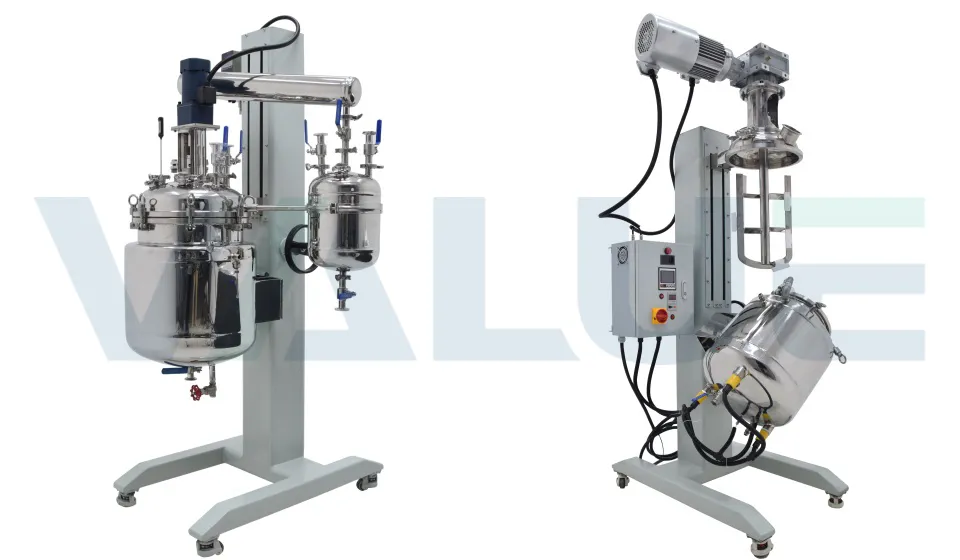
The rotary and liftable functions provide additional flexibility. Rotation supports material movement during processing, while the lifting mechanism makes it easier to access the vessel for loading, unloading, cleaning, and maintenance.
2. How Do Rotary and Liftable Designs Improve Efficiency?
The rotary function can support material mixing and distribution, depending on the reactor design and process requirements. Appropriate movement helps maintain a more uniform mixture and can improve consistency across batches.
The lifting mechanism is particularly useful when the vessel needs to be accessed frequently. It can simplify material handling and reduce the effort required for cleaning or changing between batches.
Together, these features can help reduce interruptions between operations and make the reactor easier to use in processes that require frequent cleaning or product changes.
3. Why Is Temperature Control Important?
Temperature can directly affect reaction speed, product quality, and process stability. A jacketed reactor uses a circulating heating or cooling medium to regulate the temperature without bringing that medium into direct contact with the process material.
Water may be suitable for some moderate-temperature applications, while thermal oil or another compatible medium may be needed for different operating ranges. The appropriate choice depends on the required temperature and the reactor's design limits.
Stable temperature control is important in chemical synthesis, pharmaceutical processing, and other applications where consistent operating conditions are necessary.
4. What Are the Advantages of Stainless Steel Construction?
Stainless steel is widely used in industrial reactors because of its strength, durability, and ease of cleaning. The choice between grades such as 304 and 316L depends on the chemical composition of the material, operating conditions, and corrosion risks.
For food, cosmetic, and pharmaceutical applications, surface finish, cleanability, and the prevention of cross-contamination are also important considerations. The complete system, including seals, valves, and other wetted components, should be suitable for the intended process.
With appropriate material selection and maintenance, stainless steel reactors can provide reliable service in demanding production environments.
5. Where Are These Reactors Used?
Rotary and liftable jacketed stainless steel reactors can be configured for a range of industrial processes.
- Chemical processing: Mixing, synthesis, formulation, and batch reactions requiring temperature control.
- Pharmaceutical production: Processes that require consistent operating conditions and convenient cleaning.
- Food and cosmetic manufacturing: Blending and processing where hygiene and material compatibility are important.
- Specialty materials: Applications involving different viscosities or specific mixing requirements.
The final configuration should be selected according to the properties of the material, the production volume, and the required process conditions.
6. How Can Cleaning and Automation Improve Operations?
Regular cleaning and maintenance help prevent contamination, maintain performance, and extend equipment service life. Reactor designs that provide good access to internal surfaces and removable components can make these tasks easier.
Where appropriate, a clean-in-place (CIP) system can help standardize cleaning procedures and reduce manual intervention. The actual cleaning method should be determined by the product, hygiene requirements, and equipment design.
Automation can also help operators monitor temperature, stirring speed, and other process parameters. Recording operating data and using suitable control settings can improve repeatability and help identify deviations during production.
7. How Do You Choose the Right Reactor?
Before selecting a rotary and liftable jacketed stainless steel reactor, consider the following factors:
- Required vessel and working volume
- Chemical compatibility and stainless steel grade
- Heating and cooling temperature range
- Material viscosity and mixing requirements
- Lifting height and available installation space
- Cleaning and maintenance requirements
- Required control functions and supporting equipment
The best configuration depends on the actual process rather than the vessel capacity alone. Discussing the material properties and operating conditions with the supplier can help ensure that the selected reactor meets the application's requirements.
Conclusion
Rotary and liftable jacketed stainless steel reactors combine temperature regulation, mixing, and convenient vessel access to support more flexible industrial workflows. Their benefits depend on appropriate material selection, reactor configuration, cleaning practices, and process control.
By evaluating these factors before purchase, manufacturers can choose a system that suits their production needs and supports consistent, efficient operation.
Frequently Asked Questions
What is the difference between 304 and 316L stainless steel?
Both grades are used in reactor construction. 316L generally offers better resistance to certain corrosive environments, particularly those involving chlorides, but compatibility depends on the specific chemical and operating conditions.
Why choose a liftable reactor?
A liftable design provides easier access to the vessel, which can simplify loading, unloading, cleaning, and maintenance.
How does a jacketed reactor control temperature?
Heating or cooling fluid circulates through the jacket surrounding the vessel, transferring heat through the vessel wall.
Why is automation useful in reactor operation?
Suitable automation helps monitor and control operating parameters, improving process consistency and reducing reliance on manual adjustments.
How Do Rotary and Liftable Jacketed Stainless Steel Reactors Improve Workflow Efficiency?
Rotary and liftable jacketed stainless steel reactors are designed to make industrial processing more flexible and efficient. By combining temperature control, mixing, and convenient vessel access, they can simplify material handling and support a wide range of chemical, pharmaceutical, food, and cosmetic applications.
1. What Are the Main Features of These Reactors?
A typical stainless steel reactor system includes a vessel, an agitator, a heating or cooling jacket, and a control system. Materials such as 304 or 316L stainless steel may be selected according to the chemicals being processed and the required corrosion resistance.
The jacket allows heating or cooling fluid to circulate around the vessel, helping maintain the required process temperature. The agitator mixes the material, while the control system allows operators to monitor and adjust operating parameters.
The rotary and liftable functions provide additional flexibility. Rotation supports material movement during processing, while the lifting mechanism makes it easier to access the vessel for loading, unloading, cleaning, and maintenance.
2. How Do Rotary and Liftable Designs Improve Efficiency?
The rotary function can support material mixing and distribution, depending on the reactor design and process requirements. Appropriate movement helps maintain a more uniform mixture and can improve consistency across batches.
The lifting mechanism is particularly useful when the vessel needs to be accessed frequently. It can simplify material handling and reduce the effort required for cleaning or changing between batches.
Together, these features can help reduce interruptions between operations and make the reactor easier to use in processes that require frequent cleaning or product changes.
3. Why Is Temperature Control Important?
Temperature can directly affect reaction speed, product quality, and process stability. A jacketed reactor uses a circulating heating or cooling medium to regulate the temperature without bringing that medium into direct contact with the process material.
Water may be suitable for some moderate-temperature applications, while thermal oil or another compatible medium may be needed for different operating ranges. The appropriate choice depends on the required temperature and the reactor's design limits.
Stable temperature control is important in chemical synthesis, pharmaceutical processing, and other applications where consistent operating conditions are necessary.
4. What Are the Advantages of Stainless Steel Construction?
Stainless steel is widely used in industrial reactors because of its strength, durability, and ease of cleaning. The choice between grades such as 304 and 316L depends on the chemical composition of the material, operating conditions, and corrosion risks.
For food, cosmetic, and pharmaceutical applications, surface finish, cleanability, and the prevention of cross-contamination are also important considerations. The complete system, including seals, valves, and other wetted components, should be suitable for the intended process.
With appropriate material selection and maintenance, stainless steel reactors can provide reliable service in demanding production environments.
5. Where Are These Reactors Used?
Rotary and liftable jacketed stainless steel reactors can be configured for a range of industrial processes.
- Chemical processing: Mixing, synthesis, formulation, and batch reactions requiring temperature control.
- Pharmaceutical production: Processes that require consistent operating conditions and convenient cleaning.
- Food and cosmetic manufacturing: Blending and processing where hygiene and material compatibility are important.
- Specialty materials: Applications involving different viscosities or specific mixing requirements.
The final configuration should be selected according to the properties of the material, the production volume, and the required process conditions.
6. How Can Cleaning and Automation Improve Operations?
Regular cleaning and maintenance help prevent contamination, maintain performance, and extend equipment service life. Reactor designs that provide good access to internal surfaces and removable components can make these tasks easier.
Where appropriate, a clean-in-place (CIP) system can help standardize cleaning procedures and reduce manual intervention. The actual cleaning method should be determined by the product, hygiene requirements, and equipment design.
Automation can also help operators monitor temperature, stirring speed, and other process parameters. Recording operating data and using suitable control settings can improve repeatability and help identify deviations during production.
7. How Do You Choose the Right Reactor?
Before selecting a rotary and liftable jacketed stainless steel reactor, consider the following factors:
- Required vessel and working volume
- Chemical compatibility and stainless steel grade
- Heating and cooling temperature range
- Material viscosity and mixing requirements
- Lifting height and available installation space
- Cleaning and maintenance requirements
- Required control functions and supporting equipment
The best configuration depends on the actual process rather than the vessel capacity alone. Discussing the material properties and operating conditions with the supplier can help ensure that the selected reactor meets the application's requirements.
Conclusion
Rotary and liftable jacketed stainless steel reactors combine temperature regulation, mixing, and convenient vessel access to support more flexible industrial workflows. Their benefits depend on appropriate material selection, reactor configuration, cleaning practices, and process control.
By evaluating these factors before purchase, manufacturers can choose a system that suits their production needs and supports consistent, efficient operation.
Frequently Asked Questions
What is the difference between 304 and 316L stainless steel?
Both grades are used in reactor construction. 316L generally offers better resistance to certain corrosive environments, particularly those involving chlorides, but compatibility depends on the specific chemical and operating conditions.
Why choose a liftable reactor?
A liftable design provides easier access to the vessel, which can simplify loading, unloading, cleaning, and maintenance.
How does a jacketed reactor control temperature?
Heating or cooling fluid circulates through the jacket surrounding the vessel, transferring heat through the vessel wall.
Why is automation useful in reactor operation?
Suitable automation helps monitor and control operating parameters, improving process consistency and reducing reliance on manual adjustments.


